
Alaska’s daylight changes sharply by season and latitude. In Utqiaġvik, the Midnight Sun period lasts about 82 days, from around May 11 to August 1, when the Sun stays above the horizon, according to Time and Date.
Farther south, Anchorage gets 19 hours, 21 minutes of daylight on June 21, 2026, according to Time and Date. Twilight can keep the sky light after sunset, especially in northern Alaska. On the Nushagak River in Bristol Bay, extended summer light shapes the feel of a fishing day. Your guide, comfortable cabin, and full service lodge experience make time off the water part of your trip, too.
Key Takeaways
-
Alaska has no single statewide daylight total because latitude and season create major differences, with northern communities receiving longer summer days and shorter winter days than southeastern Alaska.
-
Utqiaġvik has about 82 days of Midnight Sun from around May 11 to August 1.
-
Fairbanks has 3 hours, 41 minutes, and 34 seconds of daylight on December 21, 2026,.
-
Sunrise to sunset totals describe daylight, while twilight can keep the sky bright after sunset. In northern Alaska, the Sun’s shallow path across the horizon lengthens twilight.
-
Daylight saving time changes clock readings, not sunlight, so ask your Nushagak River guide about the fishing schedule for your travel dates when planning time on the water. Federal law sets the clock change dates.
How Much Daylight Does Alaska Get?
Alaska’s daylight changes greatly by season and latitude. Farther north, summer days are longer and winter days are shorter than in southeastern Alaska. One statewide daylight figure cannot describe what you will see.
At the start of June, Utqiaġvik in northern Alaska can have 24 hours of daylight, while Annette in southeastern Alaska has about 17 hours. The difference reflects how directly the far north faces the Sun during summer.
Fairbanks, in central Alaska, shows how quickly daylight changes with the season. On December 21, 2026, it has 3 hours, 41 minutes, and 34 seconds of daylight
In southern Alaska, Anchorage has 19 hours, 21 minutes, and 26 seconds of daylight on June 21, 2026, according to Time and Date. That total falls between the longer northern summer day and the shorter southeastern one.
Daylight totals depend partly on how daylight is defined. Twilight describes light before sunrise or after sunset. The National Weather Service defines civil twilight as beginning when the Sun’s center is 6 degrees below the horizon.
Is It Always Daylight in Alaska?
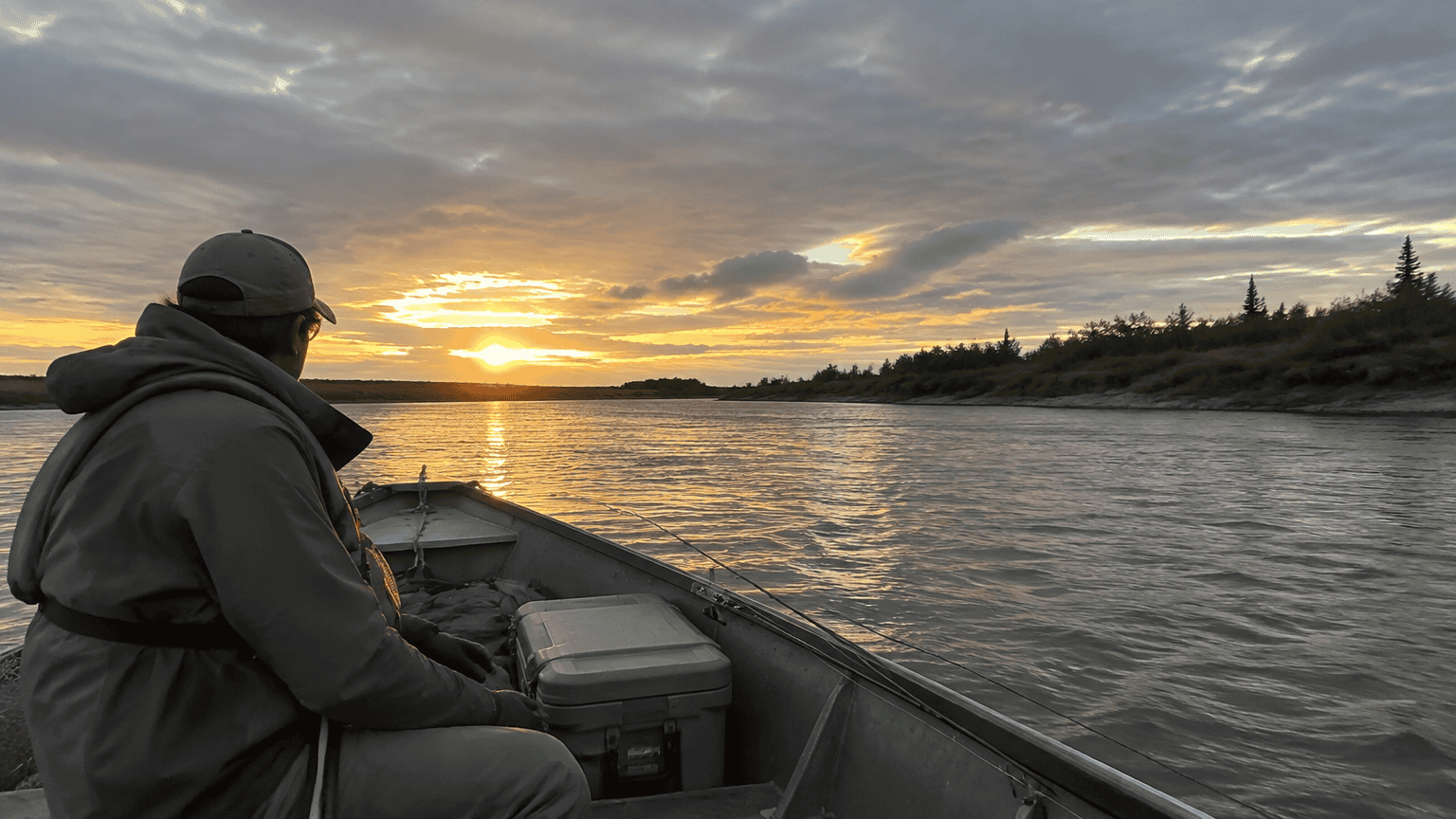
No, it is not always daylight in Alaska. Continuous sunlight is a seasonal feature of the far north, not a year round condition across the state. Communities north of the Arctic Circle can experience a period when the Sun does not set around the summer solstice.
Midnight Sun, also called polar day, means the Sun remains above the horizon for 24 hours or more. In Utqiaġvik, this period lasts about 82 days, from around May 11 to August 1.
The Sun does not stay above the horizon all summer throughout Alaska. Communities farther south still have sunsets, even when summer evenings remain bright and the sky stays light well after sunset. Daylight hours depend on latitude, so places farther north have a longer stretch of continuous summer sunlight than places farther south.
Utqiaġvik’s polar day is a striking example from northern Alaska, but it does not describe what you experience across Bristol Bay or the rest of the state. Summer light varies from place to place. Outside the far north, sunset still marks the end of the day.
How Dark Is Alaska in Winter?
Alaska’s winter daylight ranges from polar night in the far north to brief days farther south. North of the Arctic Circle, the Sun can remain below the horizon around the winter solstice, but twilight can still bring some light to the sky.
NASA describes Utqiaġvik’s polar night as beginning when the Sun sets in mid November and lasting until it rises again in mid January, according to NASA Earth Observatory. Polar night means the Sun does not rise above the horizon. The sky does not stay completely dark at every hour, because twilight can bring a period of dim natural light.
Fairbanks has a different kind of winter day. On December 21, 2026, the city has 3 hours, 41 minutes, and 34 seconds of daylight, with sunrise at 10:58 a.m. and sunset at 2:39 p.m.. Fairbanks has a short day, but it does not experience the same polar night as Utqiaġvik because the Sun rises there.
Alaska’s southern communities have different winter daylight patterns because they sit at lower latitudes. Their days also shorten in winter, but the amount of daylight varies by location. Conditions in Fairbanks or Utqiaġvik do not describe every part of Alaska.
What Is Twilight in Alaska?
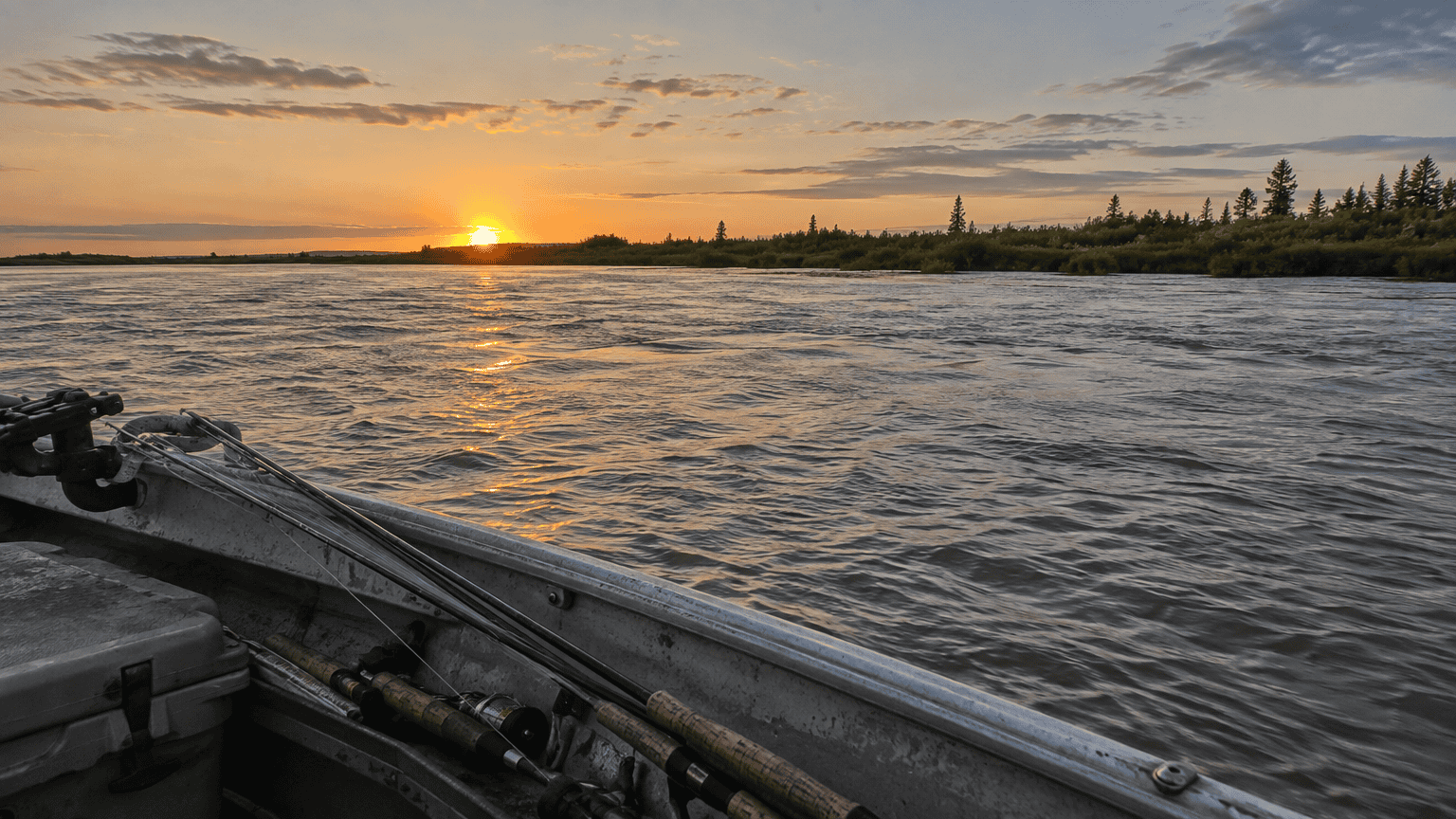
Twilight in Alaska is the dim natural light before sunrise and after sunset, when the Sun is below the horizon but the sky is not yet fully dark. Twilight is separate from the daylight hours reported in sunrise and sunset tables.
The National Weather Service defines civil twilight as beginning when the Sun’s geometric center is 6 degrees below the horizon. At 12 degrees below, nautical twilight begins, when the horizon becomes harder to distinguish at sea. At 18 degrees below, astronomical twilight begins, when the sky is dark enough for many astronomical observations. The National Weather Service’s twilight definitions use the same angle thresholds in the morning and evening.
Published daylight totals generally run from sunrise to sunset. The U.S. Naval Observatory conventionally defines those times by when the Sun’s upper edge is on the horizon, assuming average atmospheric conditions and a level location. The U.S. Naval Observatory explains the sunrise and sunset convention.
Northern twilight can feel especially long because the Sun crosses the horizon at a shallow angle at high latitudes. Instead of dropping quickly below the horizon, it moves through the twilight zones more gradually. An Alaska Department of Transportation report also explains that atmospheric refraction can bend sunlight and make the Sun visible when it is below the horizon.
A published daylight total does not measure every moment when you can see outdoors. Twilight, cloud cover, terrain, and atmospheric conditions all affect how bright the sky feels after sunset or before sunrise. In northern Alaska, extended twilight can keep the evening bright long after sunset.
What Do Long Summer Days Feel Like on the Nushagak?
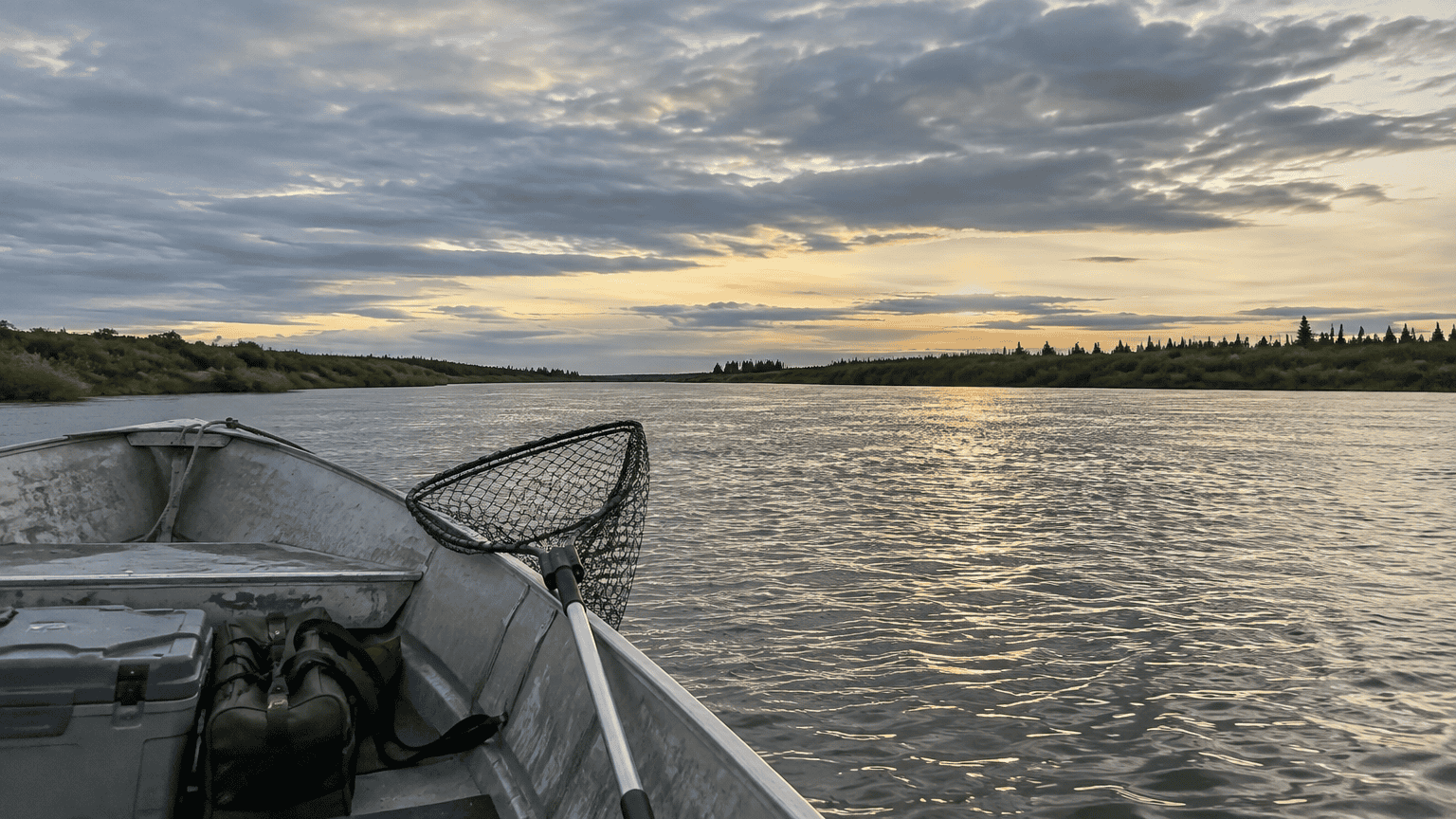
Long summer days on the Nushagak can make time on the water feel extended, with evening light stretching the sense of the day. The extra light shapes the atmosphere of a fishing trip, but it does not mean you will fish continuously or follow a set daily schedule.
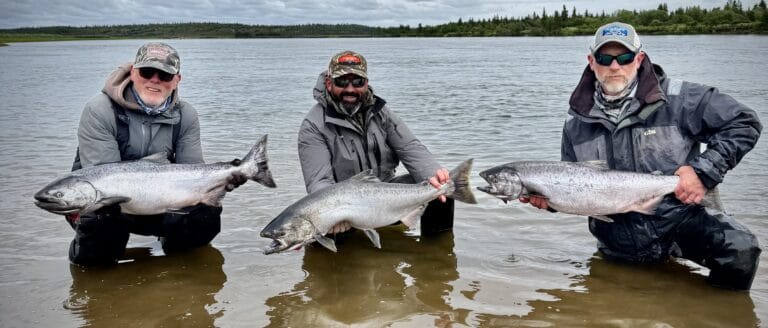
On the lower Nushagak River, the focus is salmon fishing. Fish The Nush is a fishing lodge on the Nushagak River in Bristol Bay, Alaska, with guided trips for king, sockeye, and coho salmon. Lower river access, expert guides, and quality boats and gear help you focus on fishing.
Long light can make a day on the water feel spacious, whether you are watching for a salmon take or taking in the remote river scenery between fishing opportunities. Your fishing plans depend on your trip schedule and river conditions, so daylight alone does not set the pace of your days.
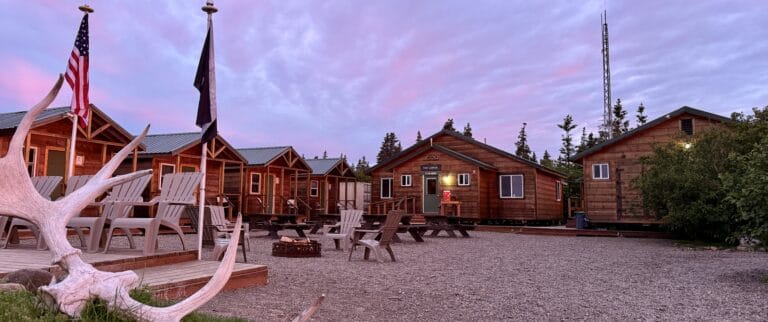
Fish The Nush pairs a remote Alaska setting with a full service lodge experience. After fishing, you can return to a private cabin, comfortable accommodations, gourmet dining, and guest focused hospitality. The lodge keeps your trip centered on fishing while giving you a welcoming place to rest and share a meal.
As you plan your trip, consider how extended summer light fits the fishing experience you want. You may value the extra time outdoors and appreciate that your guide and trip plan shape each day.
Does Daylight Saving Time Change Alaska Sunlight?
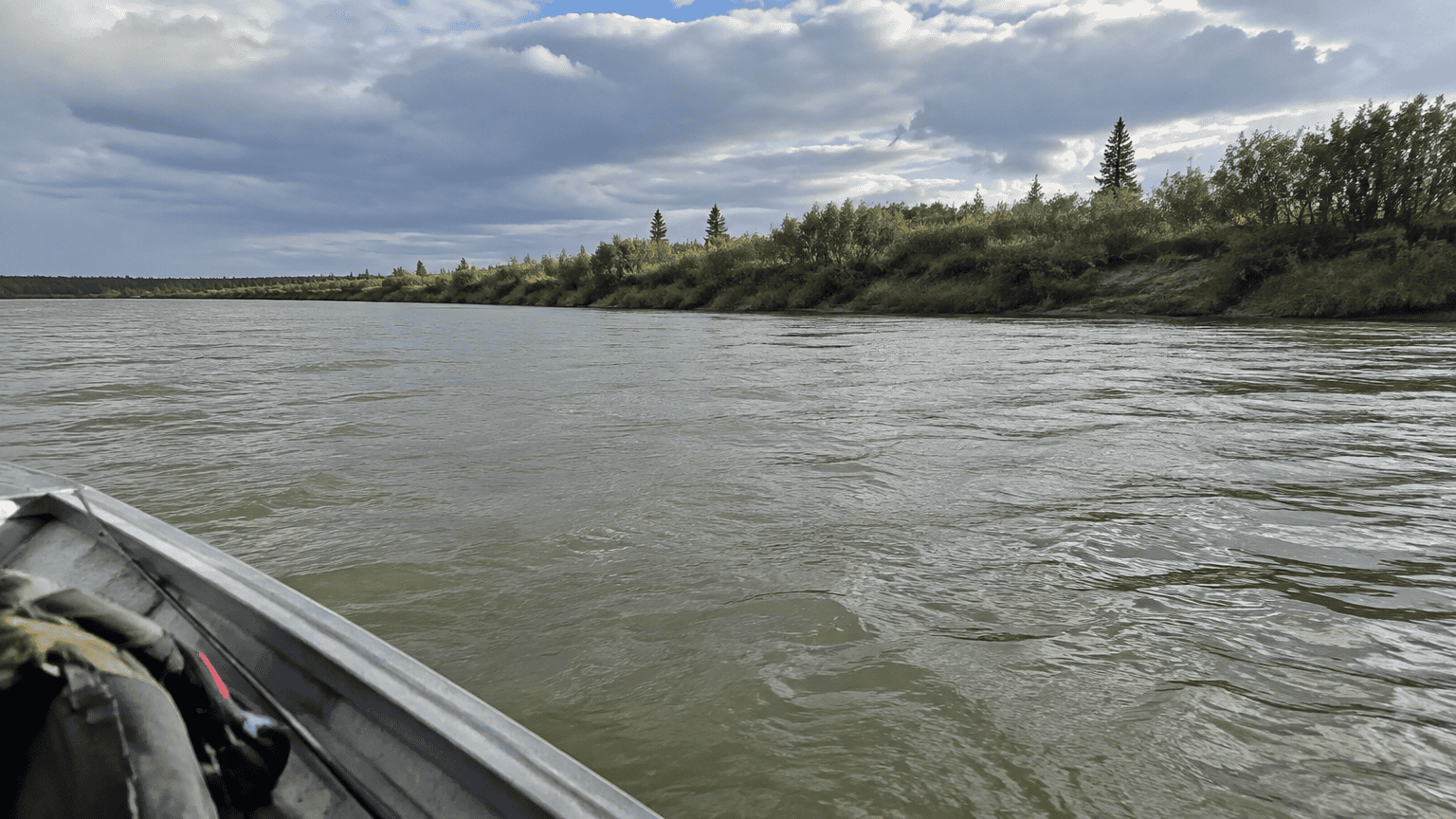
No. Daylight saving time changes what your clock reads, not the amount of sunlight available. Alaska’s daylight still follows the Sun’s seasonal movement and the region’s latitude. A clock change shifts the time assigned to daylight, but it does not add or remove sunlight.
Under 15 U.S.C. § 260a, standard time is advanced one hour from 2 a.m. on the second Sunday in March until 2 a.m. on the first Sunday in November. The statute also allows state exemptions. The U.S. House Office of the Law Revision Counsel publishes the federal rule.
Alaska Senate Bill 102, titled “An Act exempting the state from daylight saving time,” was introduced on February 19, 2025. The Alaska Legislature’s bill page listed its status as Senate Rules, with a status date of April 30, 2025. Those details describe the bill’s history, not a change to Alaska law.
For your Nushagak River fishing plans, clock changes affect scheduling, including the sunrise and sunset times shown for your dates. The Sun’s seasonal path and Alaska’s latitude shape how much daylight is available. Moving the clock changes when that light appears on your schedule, not how long the Sun stays above the horizon.
Plan Your Nushagak Fishing Trip
Start by choosing the fishing experience you want, then ask which trip dates fit your plans. Tell us whether king, sockeye, or coho salmon is your priority and whether you are traveling solo, with family, or with a group. Your target species and preferred travel dates help shape questions about daylight and time on the water.
Fish The Nush offers 4 day and 4 night fishing packages on the lower Nushagak River in Bristol Bay. Your stay includes expert guides, quality boats and gear, private cabins, and gourmet dining. Ask about the daily fishing schedule for your travel dates to learn how the available light fits your plans.
To plan your trip, request trip details from Fish The Nush. Share your preferred dates, group size, and salmon interests so our team can help you plan your Nushagak fishing trip. You can also call 1-877-876-NUSH to talk through your plans.
Frequently Asked Questions
1. Do cloudy skies change the official number of daylight hours?
Cloud cover does not change the sunrise to sunset daylight total listed for a location and date, but it can make the day feel dimmer. The U.S. Naval Observatory’s sunrise and sunset convention is based on the Sun’s position at the horizon under average atmospheric conditions, not on whether clouds block the sunlight.
2. What should you bring to manage bright evenings during a summer fishing trip?
Pack sunglasses for bright conditions outdoors and a sleep mask if you prefer darkness while resting. Your guide sets the fishing schedule, so ask about timing for your travel dates as you plan.