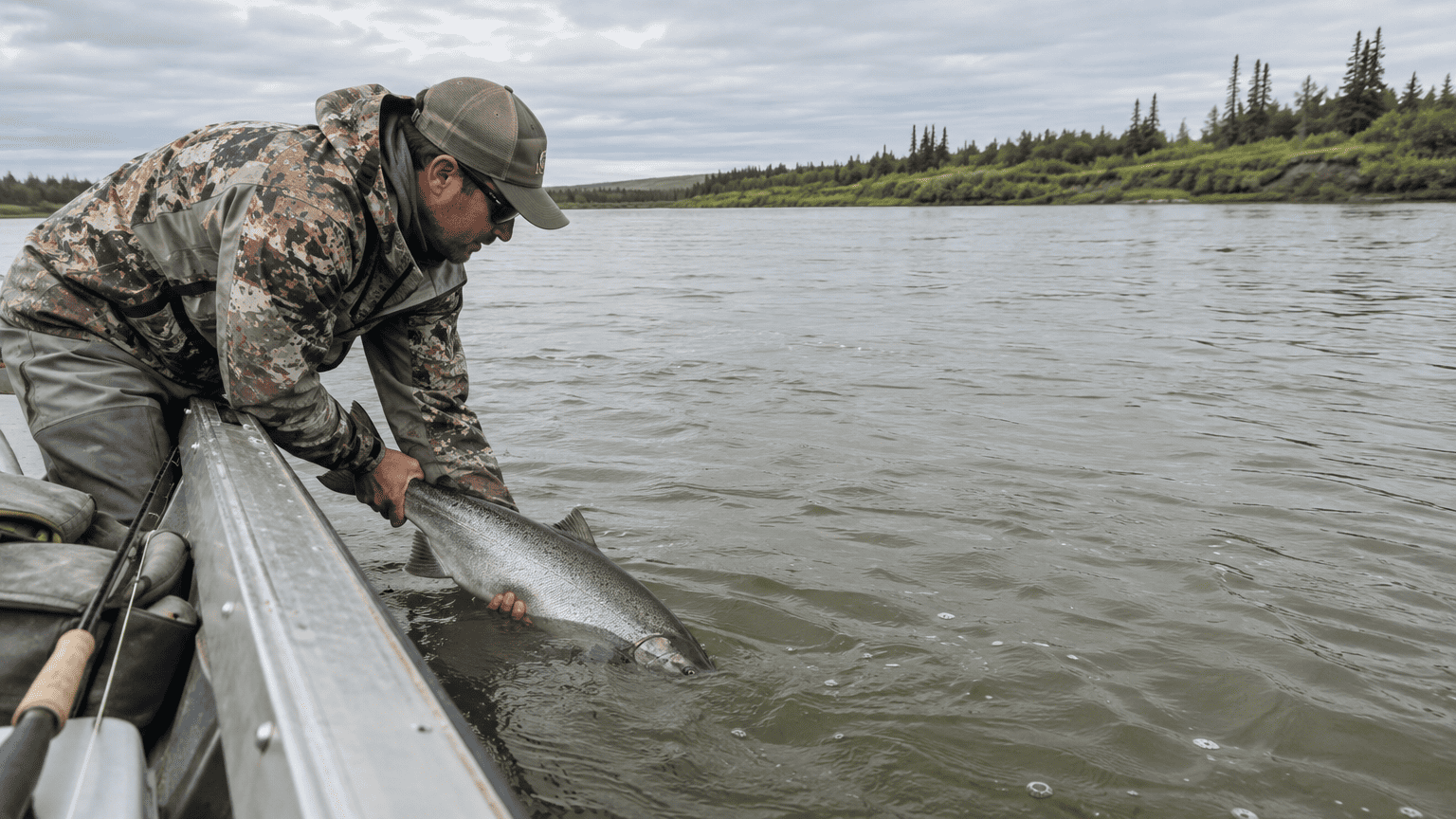
King salmon sustainability depends on the health of each Chinook salmon stock and whether enough fish reach spawning grounds to reproduce. In Alaska, managers use escapement goals, and NOAA Fisheries notes that Chinook population conditions vary. As of 2025, NOAA listed two Chinook populations as endangered and seven as threatened under the Endangered Species Act.
Chinook stock conditions vary, and Alaska uses escapement goals to manage salmon. On the Nushagak River in Bristol Bay, you can fish with an expert guide and return to comfortable cabins and hearty meals. NOAA Fisheries explains how conditions differ among Chinook populations.
Key Takeaways
-
King salmon can be sustainable when a healthy wild stock is managed to leave enough Chinook on its spawning grounds, so check the status of the specific river run rather than relying on a broad label for Alaska salmon.
-
Sustainability differs between wild Chinook and farmed king salmon, so consider the specific stock or farming system rather than relying on a broad label.
-
NOAA Fisheries listed two Chinook populations as endangered and seven as threatened as of 2025, while Alaska managers use stock specific escapement goals to guide harvest decisions.
-
Before fishing the Nushagak River in Bristol Bay, check current Alaska Department of Fish and Game guidance, follow harvest rules and your guide’s instructions, and treat each salmon as part of a shared resource.
Is King Salmon Sustainable?
King salmon can be sustainable when a specific wild stock is healthy and harvest is managed to leave enough fish to reproduce. That does not mean every Chinook population is doing well.
King salmon usually refers to Chinook salmon, Oncorhynchus tshawytscha. NOAA describes U.S. wild caught Chinook as managed and harvested under U.S. regulations, while noting that stock conditions vary. As of 2025, NOAA listed two Chinook populations as endangered and seven as threatened under the Endangered Species Act. NOAA’s Chinook overview explains the species’ range and conservation status.
Alaska uses escapement goals to guide management. Escapement means the fish that reach spawning areas after harvest. Goals are set for particular stocks rather than for every river as a whole.
This article focuses on wild Chinook in Alaska, with the Nushagak River in Bristol Bay as its local focus. A fishery can be managed and still offer fishing while individual runs face different conditions. The Nushagak run needs to be understood on its own, not judged by a broad label applied to Alaska’s king salmon.
Why Do Chinook Runs Vary?
Chinook stock conditions vary, so the sustainability of one population does not establish the condition of another. NOAA’s Chinook overview describes these differences.
Why Do Large Females Matter?
Alaska uses escapement goals to guide salmon management. These goals focus on leaving enough fish to reach spawning grounds, so sustainability is considered at the stock level rather than through a statewide label.
How Is Alaska King Salmon Managed?
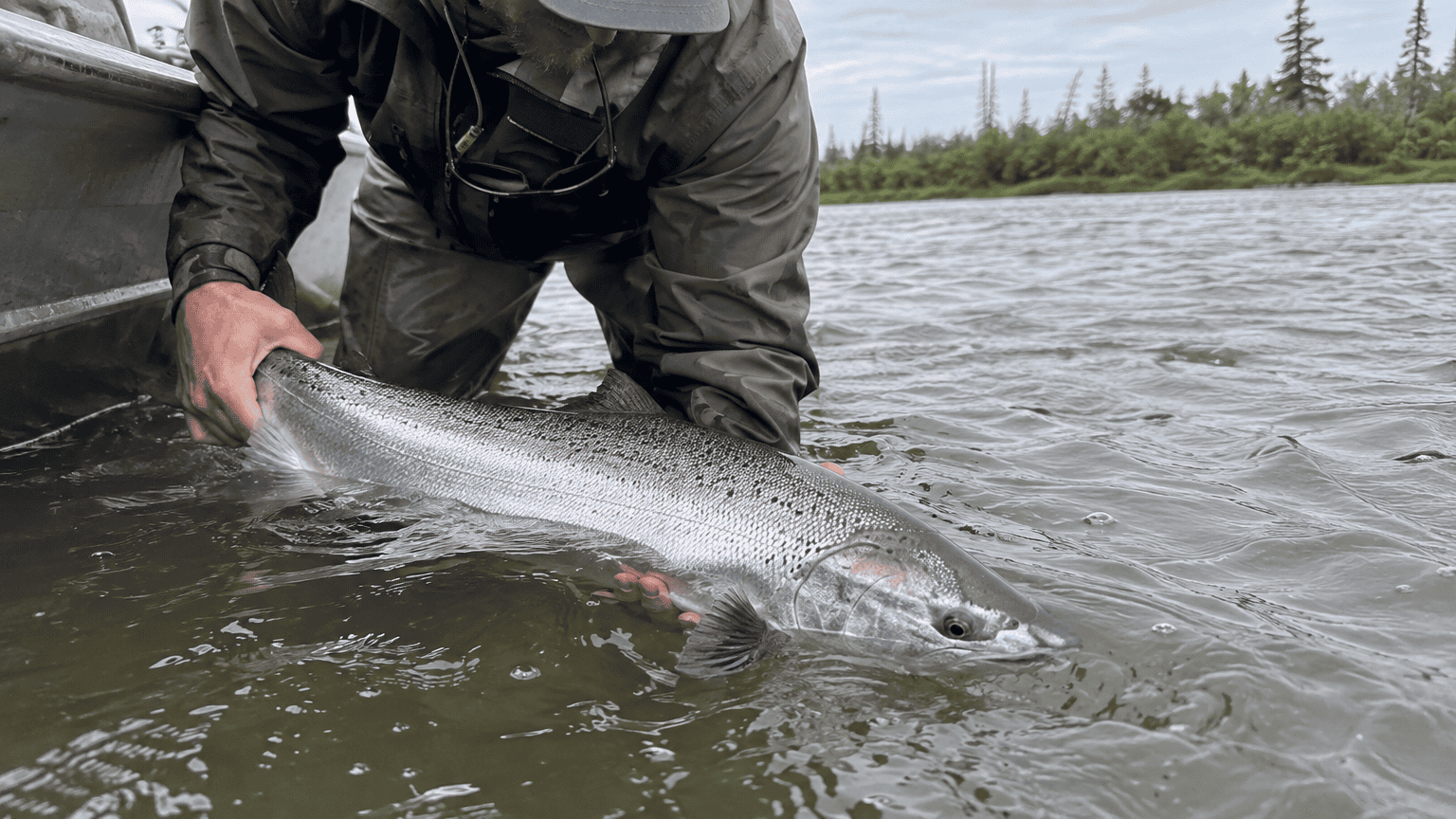
Alaska uses escapement goals to guide management and harvest decisions. This helps leave enough Chinook to reach spawning grounds. The Alaska Department of Fish and Game provides information about escapement goals.
Stock status varies among Chinook populations. As of 2025, NOAA Fisheries listed two populations as endangered and seven as threatened under the Endangered Species Act, making stock specific information important. NOAA Fisheries’ Chinook overview provides federal conservation information.
For Alaska management details and escapement goals, consult the Alaska Department of Fish and Game. Current stock information can help you understand how local conditions inform management.
For additional fisheries perspectives, see the Alaska Sustainable Fisheries Trust, North Pacific Fishery Management Council, and NOAA Fisheries. These sources offer useful context, while ADF&G provides Alaska escapement information.
What Does This Mean For The Nushagak?
For the Nushagak, king salmon sustainability means maintaining healthy returns and spawning populations. The Nushagak River fishery is part of the future of Bristol Bay salmon and the people who fish there. Healthy salmon populations help keep the fishery viable for future generations.
Chinook stock conditions vary, so the status of other populations does not establish the condition of the Nushagak run. Alaska uses escapement goals to guide management and leave enough fish to reach spawning grounds. NOAA Fisheries describes differences among Chinook populations.
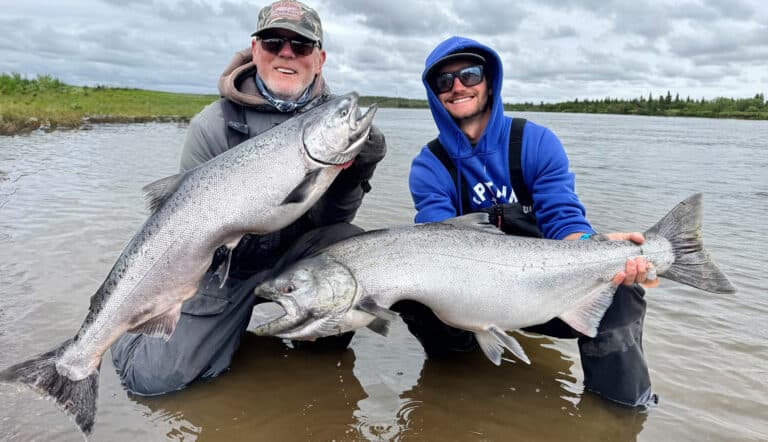
That matters to anglers who care about the fishery beyond a single trip. You can enjoy a memorable Nushagak fishing trip while respecting the salmon and future generations of anglers. Fish The Nush is a fishing lodge on the Nushagak River in Bristol Bay, Alaska, with expert guides, comfortable cabins, and hearty meals. Responsible angling helps keep the fishery meaningful for future generations.
How Can Anglers Support King Salmon?
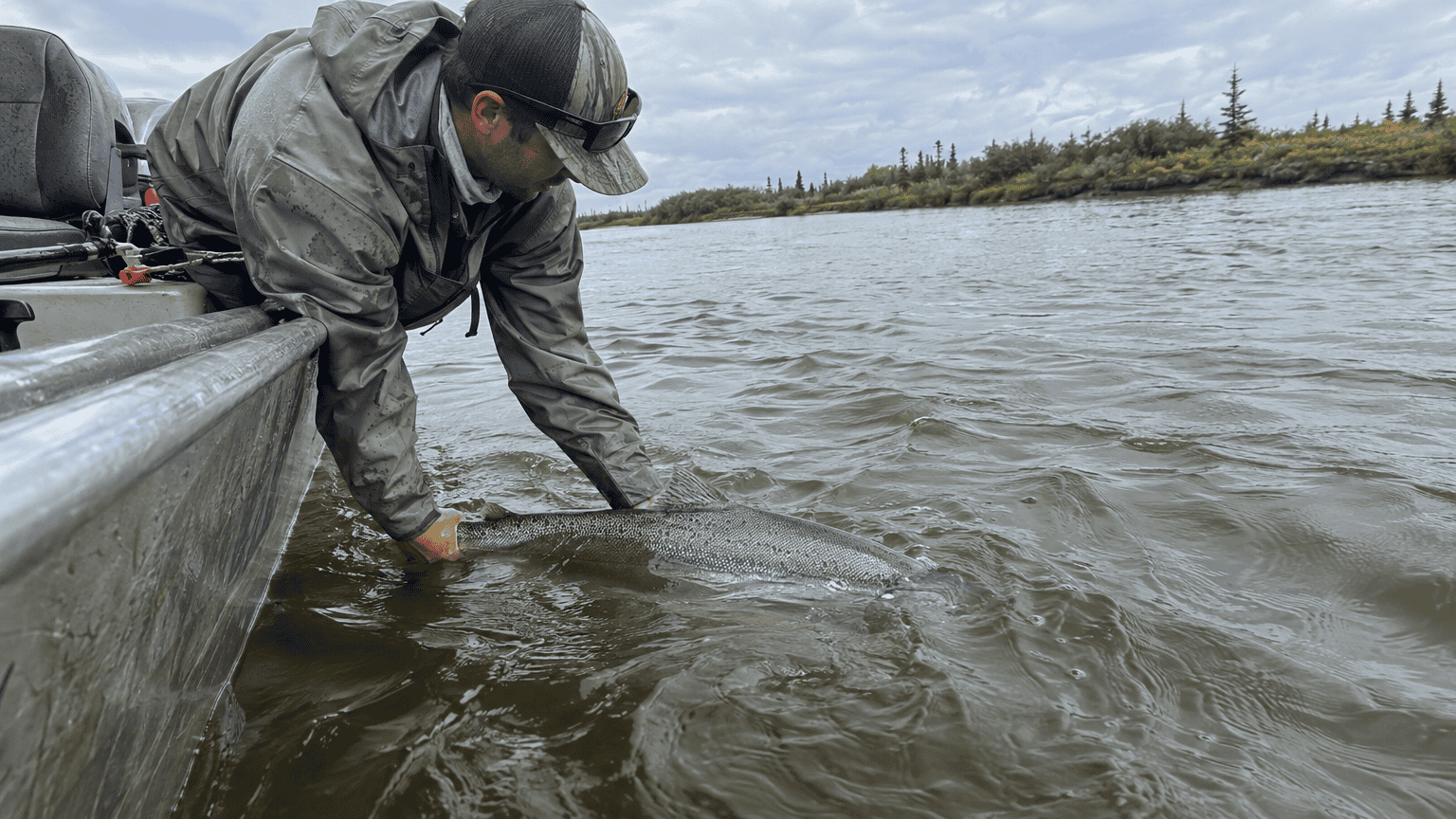
You can support king salmon sustainability by checking current Alaska Department of Fish and Game guidance, following harvest rules and your guide’s instructions, and treating each fish as part of a shared resource.
Before fishing the Nushagak River, review the latest Alaska Department of Fish and Game guidance for regulations and local updates. On the water, follow your guide’s directions and ask for clarification whenever you need it.
-
Keep only fish allowed under current harvest rules.
-
Consider the health of the fishery as well as the chance to land a trophy.
Careful angling helps keep the Nushagak experience meaningful for future generations.
Plan A Thoughtful Nushagak Fishing Trip
Planning a Nushagak River trip starts with your group’s dates, fishing priorities, and current Alaska Department of Fish and Game updates. Before choosing a package, check the latest regulations and ask Fish The Nush how current conditions affect king salmon fishing and responsible handling on the lower river.
Fish The Nush offers 4 day and 4 night fishing packages on the Nushagak River in Bristol Bay, Alaska. Your trip includes expert guides, quality boats and gear, comfortable cabins, and hearty meals, so you can focus on fishing and enjoy a warm place to rest after a long day.
When you contact the lodge, share your group size and whether king salmon, sockeye, or coho are your main focus. Ask for trip details and discuss how your guide can help you follow current rules and fish responsibly. Request information at fishthenush.com or call 1-877-876-NUSH.
Frequently Asked Questions
1. Is King Salmon healthy and good to eat?
Whether king salmon fits your diet depends on your needs and how you prepare it. For nutrition guidance, consider advice from a qualified health professional.
2. Is King Salmon ever farmed?
Yes, king salmon is farmed, including in New Zealand. A life cycle assessment of New Zealand farmed king salmon found that feed production was its largest carbon footprint contributor, and transport method affected the overall result.
3. How can you tell whether King Salmon is wild caught?
Check the package for an explicit wild caught label and information about the fishery and origin. A Marine Stewardship Council label can help identify certified wild fisheries, while its Chain of Custody Standard requires certified products to remain separate and traceable to certified fisheries.
4. Which salmon is the most sustainable to buy?
There is no single salmon choice that is most sustainable in every case, because wild stock conditions and farm practices vary. Look for clear sourcing details and credible certification, then consider the fishery or farm and how the product was transported. The Marine Stewardship Council Fisheries Standard assesses wild capture fisheries.
5. Is Aldi salmon sustainable?
Aldi salmon sustainability depends on the specific product, its source, and whether it comes from a wild fishery or a farm. Check the package for species, origin, production method, and certification, since those details can differ between products.
6. What is the most ethical fish to eat?
There is no single fish that is always the most ethical choice, because sustainability and animal welfare depend on how and where the fish was caught or raised. Check for traceable sourcing, the status of the wild stock or the farm’s practices, and credible certification where available.