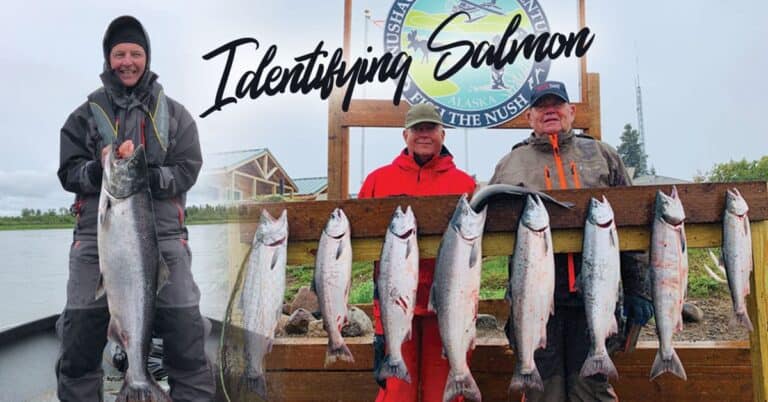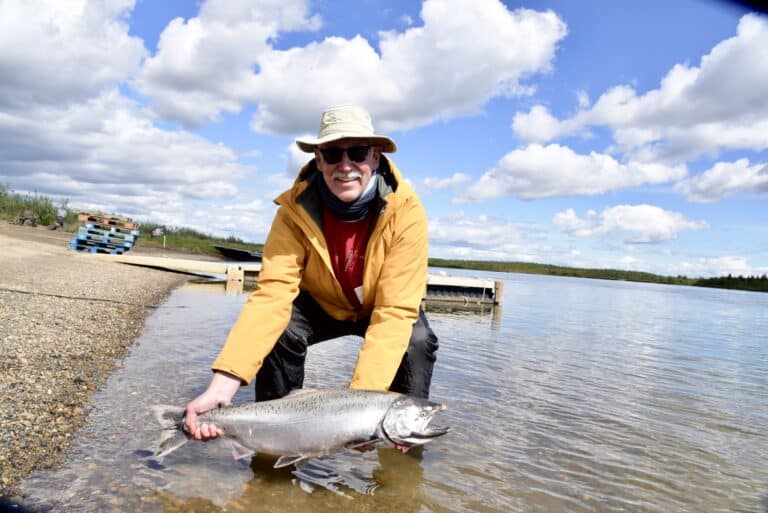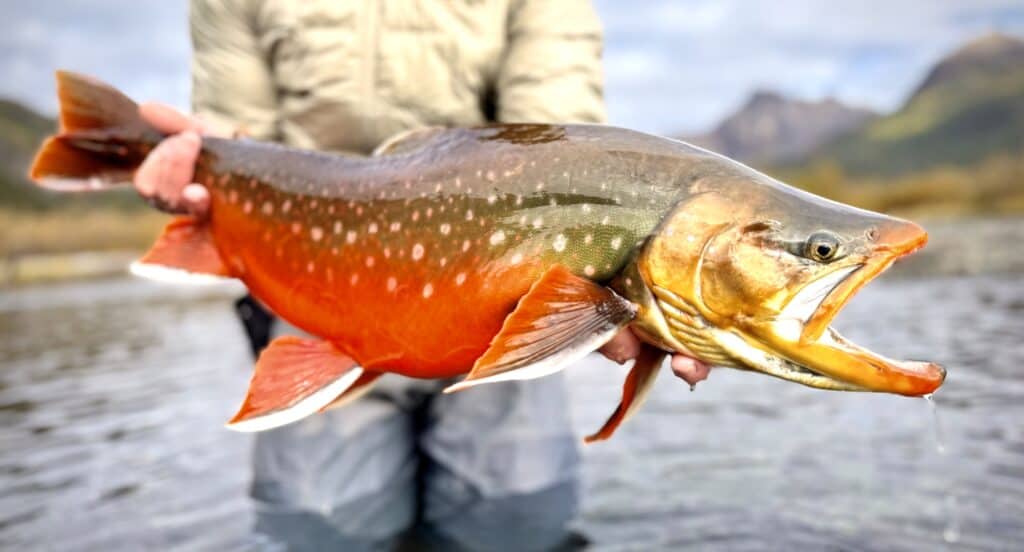
The Alaska salmon life cycle begins in gravel beds and extends into the North Pacific. You can follow each fish from egg and fry to ocean going adult, then back to its home river, where it spawns once and dies. Understanding these stages helps you read the water, choose the right timing, and appreciate what brings king, sockeye, and coho salmon back to the Nushagak River.
Each species follows the same broad pattern, but timing, size, habitat, and behavior can vary. As you learn how salmon move through freshwater, estuaries, and the ocean, every cast becomes part of a much larger story. That knowledge adds meaning to a day on the river and helps you make the most of your Alaska fishing trip.
Key Takeaways
- Alaska salmon move through six key stages—egg, alevin, fry, smolt, ocean adult, and spawning adult—beginning and ending in freshwater while gaining most of their size in the North Pacific. Most Pacific salmon return to their natal river, spawn once, and die, nourishing the ecosystem for the next generation.
- Chinook, sockeye, coho, chum, and pink salmon share the same broad life cycle but differ in freshwater rearing, ocean growth, size, habitat, and run timing. On the Nushagak River, Chinook typically arrive from late May through July, sockeye peak in June and July, and coho become more prominent from late July into September.
- Healthy salmon runs depend on connected, productive habitat: clean gravel and cool flowing water for eggs, sheltered freshwater areas for juveniles, functioning estuaries for smolt transition, and abundant ocean food for adult growth. Temperature, flow, sediment, predators, and fishing pressure can affect survival at every stage.
- Understanding salmon life stages and seasonal movement helps anglers read river conditions, identify holding and staging water, and plan more effectively for king, sockeye, and coho fishing on the Nushagak River.
Introduction To Alaska Salmon Life Cycle
Alaska’s five native Pacific salmon species are Chinook, sockeye, coho, chum, and pink salmon. When you fish the rivers of Bristol Bay, you may see several species during the same season, each with its own timing and habitat preferences. All five are anadromous, which means they hatch in freshwater, migrate to the ocean, and return to freshwater as adults. Young salmon begin life in gravel beds, streams, lakes, and river systems before moving downstream toward the coast. The ocean provides the food and space they need to grow into strong adult fish.
After spending months or years in the North Pacific, adult salmon begin the return journey to the river where they were born. This instinctive behavior is called natal homing, and it brings each run back to its own stream, river, or lake system. Females create nests in the gravel called redds, where they deposit eggs while males fertilize them. Pacific salmon generally spawn only once, then die and provide nutrients for the freshwater ecosystem. From the first eggs in the gravel to the final upstream return, the cycle connects Alaska’s rivers, forests, ocean waters, and the fishing traditions you experience on the Nushagak River.
Alaska Salmon Eggs And Alevins
Female Alaska salmon create a redd by turning and sweeping gravel with their tails, forming a shallow nest in the streambed. They release their eggs into the clean gravel while one or more males release milt to fertilize them. After spawning, adult Pacific salmon have used the energy stored during their years in the ocean and usually die soon after returning to freshwater. Their bodies then provide nutrients that support the stream and the young salmon that follow.
The fertilized eggs remain hidden among the gravel during incubation, often for several months. Cool, steady water supports development at the right pace, while water that is too warm can increase stress and reduce survival. Flowing water carries oxygen through the spaces between the stones, which the developing embryos need. The eggs hatch into alevins, tiny fish that still carry a yolk sac and remain beneath the gravel until they are ready to emerge.
Gravel quality plays a major role in the Alaska salmon life cycle because fine silt can fill the spaces that carry oxygen rich water. Floods may scour redds from the streambed, bury them under sediment, or wash eggs away before they hatch. Stable gravel, clean water, and moderate flow give alevins a better chance to grow and leave the redd as fry. When you fish Alaska rivers, these hidden early stages remind you that a healthy salmon run begins long before adults appear in the current.
Fry Smolt And Ocean Migration
After hatching, young salmon remain in the gravel until they absorb most of their yolk sac, then emerge as fry. You may find them along shallow edges, side channels, and quiet pools, where cover helps protect them from strong currents and predators. They begin feeding on aquatic insects and other small organisms, growing through a freshwater stage that varies by species and river system. Sockeye may spend a year or more in lakes, while pink salmon often move toward salt water soon after emerging.
As the fry grow, they develop into parr with distinctive markings and stronger swimming ability. Before entering salt water, they undergo smoltification, a major physiological change that prepares their bodies to control salt and water levels in the ocean. Their coloring often becomes brighter and more reflective, their body shape changes, and their gills gain the ability to remove excess salt. Water temperature, food supply, stream flow, and daylight all influence when smolts begin their migration.
Smolts travel downstream through rivers and tidal channels into estuaries, where freshwater mixes with the sea. This passage gives them time to adjust to rising salinity while they face predators, changing currents, and limited food. Once they enter the North Pacific, salmon spread across broad feeding grounds and gain most of their adult size by eating fish, krill, squid, and other marine life. Years later, mature fish return to Alaska waters and bring the life cycle back to the rivers where it began.
Five Species And Alaska Run Timing
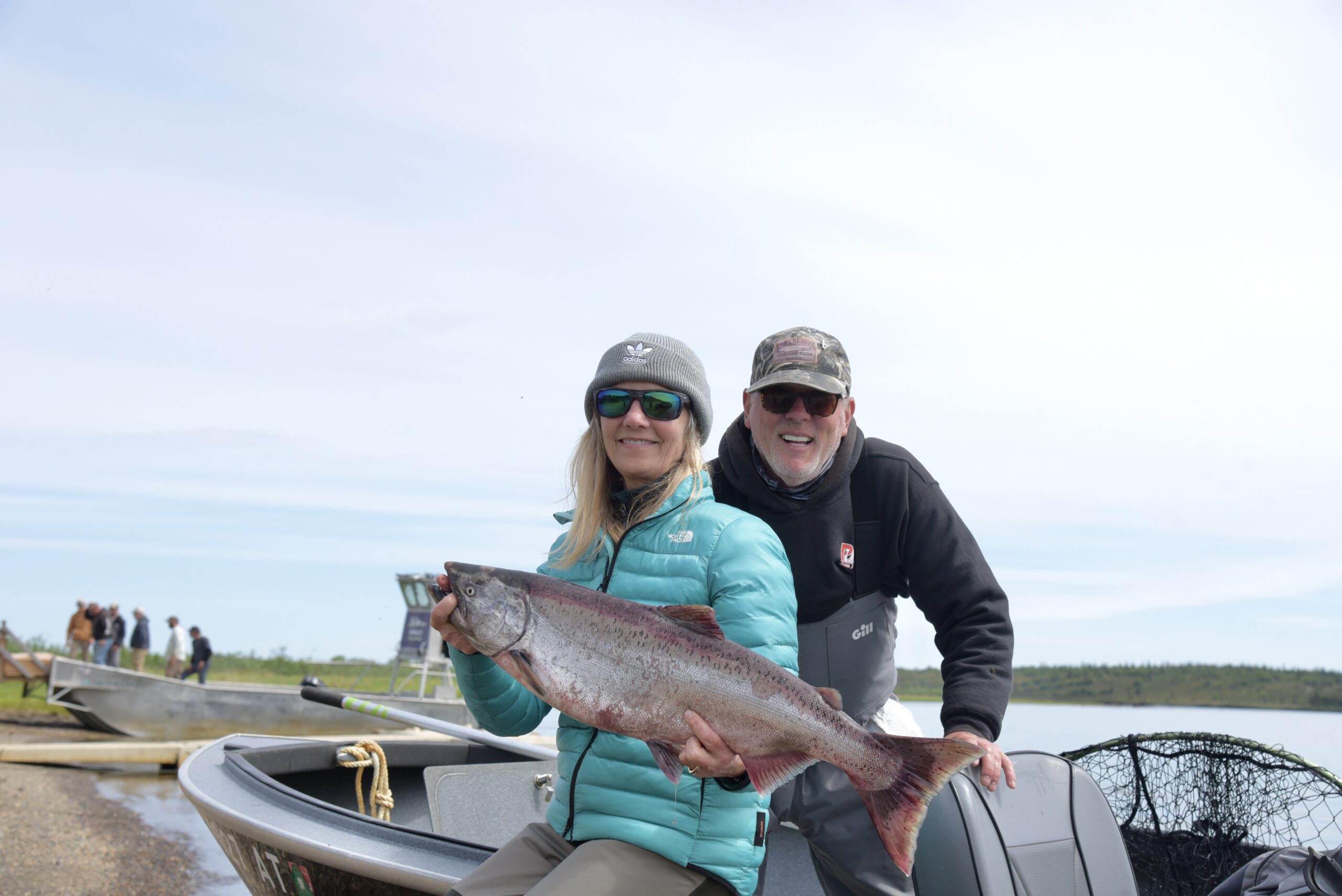
Alaska’s five salmon species all hatch in freshwater, migrate to the North Pacific, and return to spawn once before dying. Chinook usually spend several months to two years rearing in rivers, then remain at sea for two to five years before returning from May through July. Sockeye often move from a stream to a lake, where they may rear for one to three years, followed by one to three years in the ocean. They commonly enter Alaska rivers from June through August and spawn in lake outlets, tributaries, and gravel beds.
Coho spend one to two years in freshwater, often holding in small streams with cover before spending about 18 months in the ocean. Their main return period runs from July into September, and they favor protected tributaries and side channels for spawning. Chum usually move to sea soon after emerging, spend two to five years offshore, and return from June through August to spawn in lower river reaches and smaller tributaries. Pink salmon have the briefest freshwater stage, often migrating to salt water within days or weeks, then returning after about 18 months. They have strong runs in alternating years and typically return from July into August.
Run timing changes with latitude, water conditions, river size, and the stock’s age structure, so you may see different peaks across Alaska. On the Nushagak River, Chinook commonly arrive from late May through July, sockeye build through June and July, and coho become more important from late July into September. Pink and chum salmon may also pass through the Nushagak system during the summer, with their numbers and timing varying by tributary and year. Knowing these patterns helps you match your fishing plans to the species, water, and stage of the run.
Returning Adults And Spawning
When you watch mature salmon return to an Alaska stream, you are seeing the final migration of an anadromous life cycle. After years of growth in the North Pacific, Chinook, sockeye, coho, chum, and pink salmon find their way back to the freshwater system where they began. Scientists believe salmon use several cues, including the scent of their home stream, the earth’s magnetic field, sunlight, and river flow. Once they enter freshwater, they stop feeding and live on stored body energy. Their backs may darken, their bodies may become leaner, and many males develop a hooked jaw and brighter spawning colors.
At the spawning grounds, females choose suitable gravel in a stream, river, lakeshore, or tributary and use their tails to sweep out a nest called a redd. The current must be strong enough to bring oxygen to the eggs, but gentle enough to keep the gravel from washing away. A female may release thousands of eggs as one or more males release milt over them, then she covers the eggs with clean gravel. Salmon may defend a small area during this process, although several fish can spawn within the same reach of river. After spawning, their physical condition declines quickly because they have little energy left for recovery.
Most Pacific salmon spawn once and die within days or weeks, a strategy known as semelparity. Their carcasses remain in the stream and along its banks, where insects, birds, bears, and other wildlife feed on them. As the remains break down, marine nutrients such as nitrogen and phosphorus enter the water and nearby soil, supporting algae, aquatic insects, riparian plants, and young fish. You can see this connection clearly on productive Bristol Bay rivers, where returning salmon link the ocean, freshwater habitat, and the wider food web.
Conclusion On Alaska Salmon Life Cycle
Alaska salmon begin as eggs buried in gravel, where clean, flowing water supports their development through winter. After hatching, young salmon called alevins remain in the gravel until they absorb their yolk sacs and emerge as fry. They feed and grow in freshwater, then some species move into lakes or estuaries while others head directly downstream. When their bodies are ready for salt water, they become smolts and enter the ocean, where they spend months or several years feeding and gaining strength. This freshwater and ocean journey shapes the timing, size, and survival of every salmon run.
As adults, Chinook, sockeye, coho, chum, and pink salmon return from the North Pacific to the rivers and streams where they began. They navigate upstream, spawn in gravel, and complete a cycle that supports wildlife, local communities, and the fishing experiences that bring you to Alaska. Most Pacific salmon spawn once and die, returning nutrients to the watershed as the next generation begins. Healthy rivers provide clean gravel and cool water, healthy estuaries give young salmon a safe transition to the sea, and productive marine conditions help adults grow. When these connected habitats remain strong, you have a better chance of experiencing the powerful salmon runs that make time on the Nushagak River so memorable.
From Redd to North Pacific
Alaska salmon begin life in freshwater, where adults return to the stream, river, or lake where they were born. A female digs a gravel nest called a redd, lays her eggs, and the male fertilizes them before both adults die after spawning. The eggs hatch into alevins, which remain in the gravel until they absorb their yolk sacs and emerge as fry. As they grow, young salmon move through freshwater and estuaries before entering the North Pacific. This early journey shapes the strength of future runs returning to rivers such as the Nushagak.
In the ocean, salmon gain most of their size before instinct and environmental cues guide them back toward Alaska. Chinook, sockeye, coho, chum, and pink salmon follow different schedules, but each species returns to freshwater to spawn only once. Water temperature, food supply, river conditions, predators, and fishing pressure can affect survival at every stage. When you fish Bristol Bay, you are seeing one part of a cycle that connects gravel beds, tundra streams, the estuary, and the open sea. Protecting healthy habitat helps keep that cycle moving for future salmon, anglers, and Alaska communities.
Frequently Asked Questions
1. What are the main stages of the Alaska salmon life cycle?
You can follow Alaska salmon through six main stages: egg, alevin, fry, smolt, ocean going adult, and spawning adult. Salmon begin in gravel redds, grow in freshwater, migrate through the estuary, and spend months or years feeding in the North Pacific. Adults return to freshwater, spawn once, and die after completing the cycle.
2. Why do Alaska salmon return to the river where they were born?
Salmon use natal homing to return to their birth stream, river, or lake system. They appear to follow a mix of chemical cues, magnetic signals, and learned migration patterns. On the Nushagak River, this instinct brings each run back to its home watershed during its natural seasonal timing.
3. How long do salmon live before returning to spawn?
Their life span depends on the species and population. Pink salmon usually return after about two years, while Chinook, sockeye, chum, and coho may spend several years growing in freshwater and the ocean. Water conditions, food supply, and genetics all shape the timing of each run.
4. What is a salmon smolt, and why is this stage important?
A smolt is a young salmon that has adapted from freshwater to salt water. During smoltification, its body changes so it can regulate salt and water as it moves downstream through the estuary. This transition prepares the fish for the rich feeding grounds of the North Pacific.
5. Where do young Alaska salmon live before they reach the ocean?
Young salmon use a range of freshwater habitat, including gravel beds, small streams, rivers, lakes, and connected wetlands. Fry often hold in shallow water and feed on insects, while larger juveniles seek cover in deeper runs, pools, and woody structure. Good freshwater habitat gives them the food and shelter they need for their journey to the coast.
6. How do king, sockeye, and coho salmon differ in their life cycles?
Chinook, also called king salmon, often spend several years growing before returning as large adults. Sockeye salmon may use lakes during their juvenile stage and are known for strong, well timed migrations. Coho salmon usually spend one or more years in freshwater before heading to sea, then return later as powerful fall spawners.
7. What happens when salmon return to spawn?
A mature female selects suitable gravel and creates a redd by turning on her side and moving the gravel with her tail. She deposits eggs while one or more males release milt to fertilize them. Pacific salmon generally spawn only once, then die, returning valuable marine nutrients to the river and surrounding forest.
8. How does understanding the salmon life cycle help you fish the Nushagak River?
Knowing the life cycle helps you read seasonal water changes, identify likely holding water, and choose the right timing for king, sockeye, and coho. You can better understand when fish are moving through the main river, resting in softer current, or staging near spawning areas. It also gives every day on the Nushagak deeper meaning, from the gravel where salmon begin to the ocean that feeds their growth.