Responsible Fishing Practices Every Alaska Angler Should Know
Responsible Alaska fishing starts with a clear understanding of how Alaska’s fisheries work. Science based stock assessments, conservative catch limits, escapement goals, in season closures, and habitat protections help managers protect fish while supporting commercial, sport, subsistence, and personal use fisheries. An escapement goal is the number of adult salmon that must reach spawning grounds to support future runs. For you, that means following current rules and keeping the health of the river in mind.
That responsibility matters on the Nushagak River, where a once in a lifetime trip depends on strong salmon runs for years to come. King, sockeye, and coho salmon face changing water conditions, shifting food supplies, bycatch concerns, and pressure on local communities, even within a carefully managed system. With good guidance, careful handling, selective harvest, and respect for Indigenous and community knowledge, you can enjoy serious fishing while helping protect the wild resource that brings anglers to Bristol Bay.
Key Takeaways
- Responsible Alaska fishing depends on following current regulations, including bag limits, gear rules, closed areas, and in-season updates. Managers use stock assessments, catch limits, and escapement goals to protect salmon runs and adjust harvest as conditions change.
- Reduce impacts by using suitable tackle, releasing fish quickly with wet hands and proper support, keeping fish in the water when possible, and avoiding spawning areas and sensitive habitat. Keep only what you can use and dispose of waste responsibly.
- Salmon face interconnected pressures from climate change, shifting food supplies, habitat disruption, and bycatch, so protecting rivers, estuaries, and marine ecosystems is essential to sustaining Nushagak River runs.
- Respect Indigenous knowledge, subsistence users, local communities, wildlife, and other anglers. Work with reputable guides, follow local access practices, support local businesses, and help keep shared waters and shorelines clean.
Introduction To Responsible Alaska Fishing
Responsible Alaska fishing is a shared commitment among anglers, guides, lodges, fishing communities, Indigenous communities, and resource managers. When you fish the Nushagak River, your choices become part of a larger effort to protect wild salmon and the habitat they need. Follow current regulations, respect local knowledge, and treat every fish and stretch of river with care. Alaska’s fisheries are carefully managed, but each salmon stock and fishery faces different conditions.
Science guides many of these decisions through stock assessments, catch limits, escapement goals, and in season updates. Escapement is the number of adult salmon that reach their spawning grounds, and managers adjust seasons, bag limits, and fishing methods when returns change. Your guide can help you understand which fish to keep, which fish to release, and how to handle them with less stress. Simple actions, such as keeping fish in the water, using suitable tackle, and following closure notices, can make a real difference.
A responsible trip also supports the broader aquatic system, from riverbanks and wetlands to the Bristol Bay watershed. You can help by packing out waste, avoiding spawning areas, and giving wildlife room along the river. When anglers and lodges work with local communities and resource managers, memorable fishing and long term stewardship can go hand in hand. On the Nushagak, that shared care helps protect the wild salmon runs that make your Alaska experience special.
Alaska Fishery Science And Escapement Goals
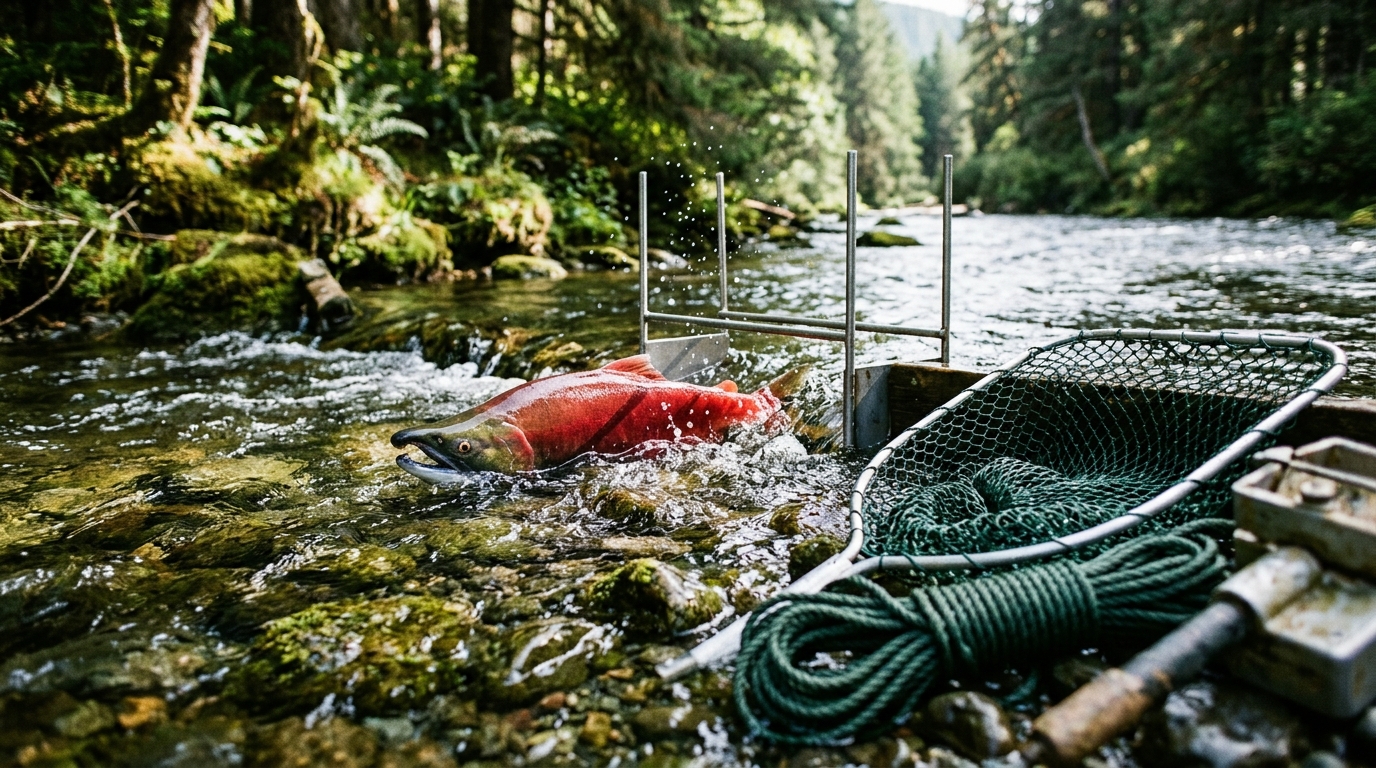
Alaska’s fishery managers base decisions on data collected in the field and reported by fishers. The Alaska Department of Fish and Game tracks salmon run strength with weirs, sonar, test fisheries, and harvest reports, then compares those numbers with escapement goals, which identify the number of fish that should reach spawning grounds. NOAA Fisheries and the North Pacific Fishery Management Council assess federally managed species, set catch limits, and account for bycatch and changing ocean conditions. These tools help managers adjust harvest levels when a run is strong or protect fish when returns fall short. Escapement goals guide decisions, but they do not mean every stock or fishery is equally healthy.
Before each outing, check the current rules for the exact river, marine area, and species you plan to fish. Alaska Department of Fish and Game regulations and emergency orders can change seasons, bag limits, possession limits, gear rules, closed waters, and designated fishing areas with little notice. In season closures may protect a weak run or help managers meet an escapement goal, even after you have planned your trip. Read the latest notices, confirm your license and reporting duties, and ask your guide about local changes before you launch. That short check helps you fish legally, protect Alaska’s wild stocks, and enjoy your day on the water with confidence.
Low Impact Salmon Angling Practices
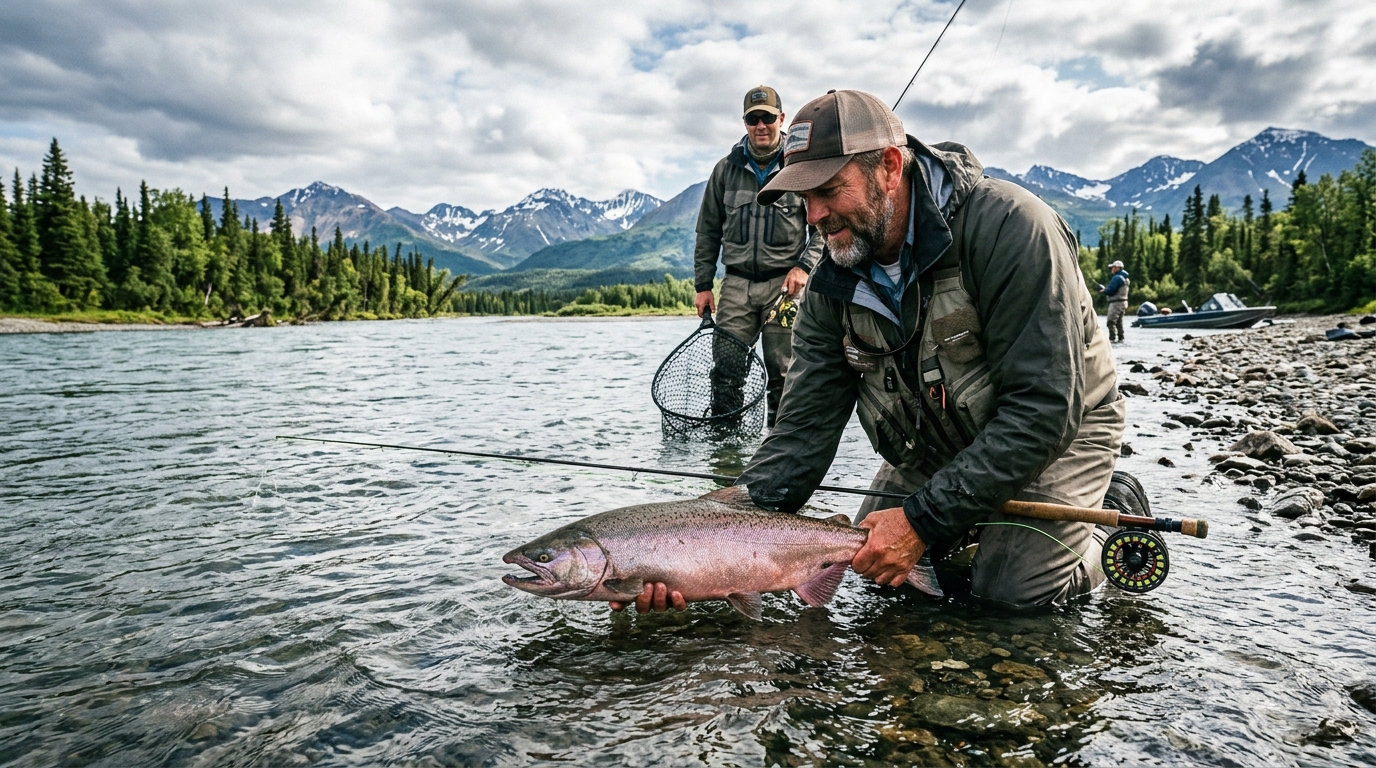
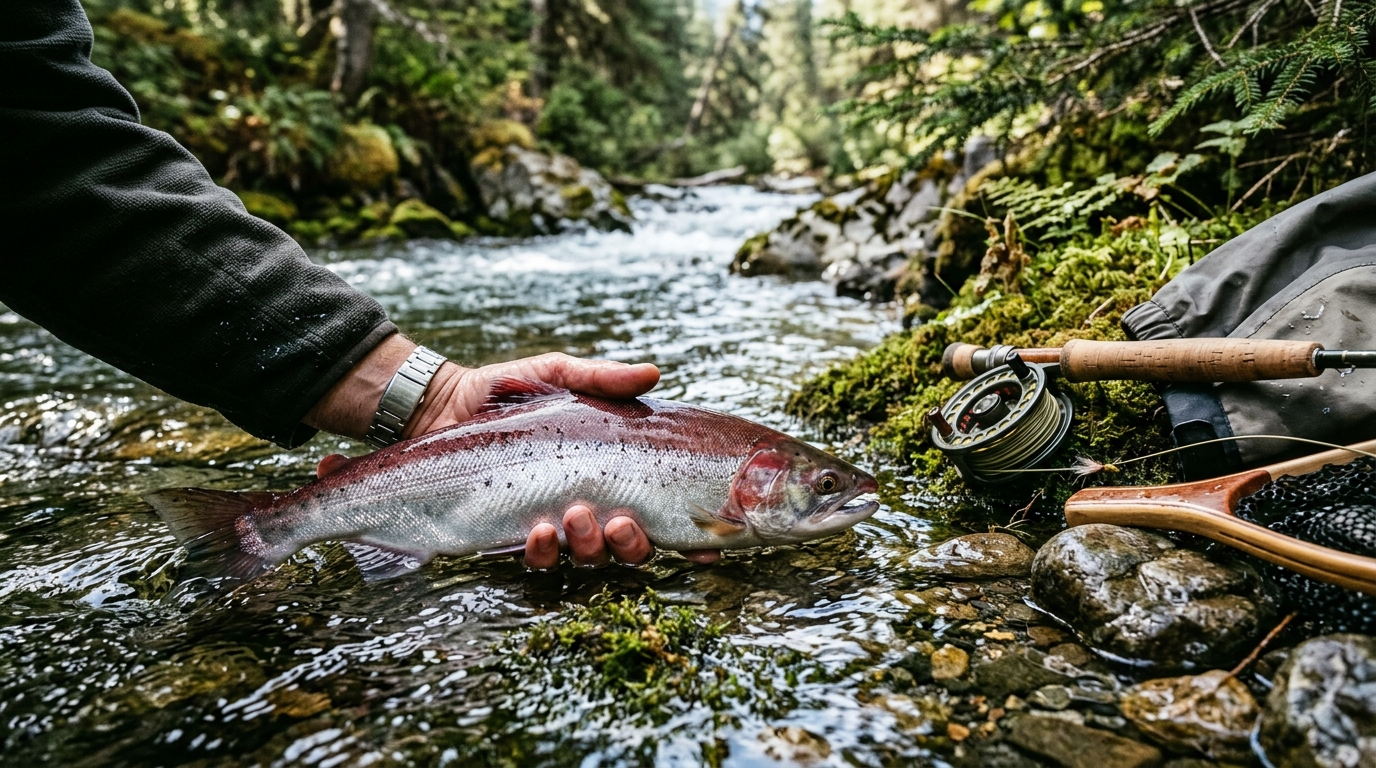
Low impact salmon angling starts with tackle that matches the fish and the water. Use a strong rod, properly sized line, and barbless hooks when regulations or local guidance call for them. This helps you land salmon promptly and reduce deep hooking. Before handling a fish, wet your hands and keep it in the water whenever possible. Limit air exposure to a few seconds for a quick photo, and support the fish’s body without squeezing the belly or gripping the gills.
Give spawning salmon room by avoiding redds, shallow spawning areas, and fish actively paired in clear water. Follow current Alaska Department of Fish and Game rules for seasons, bag limits, gear, and catch and release requirements, since protections can change by river and stock. If you plan to keep a fish, harvest only what you can use and release other fish carefully, with extra care for species or runs under added conservation concern. On the Nushagak River, an experienced local guide can help you read the water, identify sensitive areas, and make sound decisions as conditions change.
Careful fish cleaning is part of responsible Alaska fishing, too. Clean your catch at an approved site when possible, keep usable meat chilled, and place fish waste where local rules allow, away from camps, docks, and busy shorelines. Never leave line, hooks, packaging, or other gear behind, and pack out anything you bring to the river. Your guide can explain local waste rules, safe handling methods, and current conservation measures while helping you enjoy a productive day with less impact on salmon and their habitat.
Bycatch Habitat And Climate Pressures
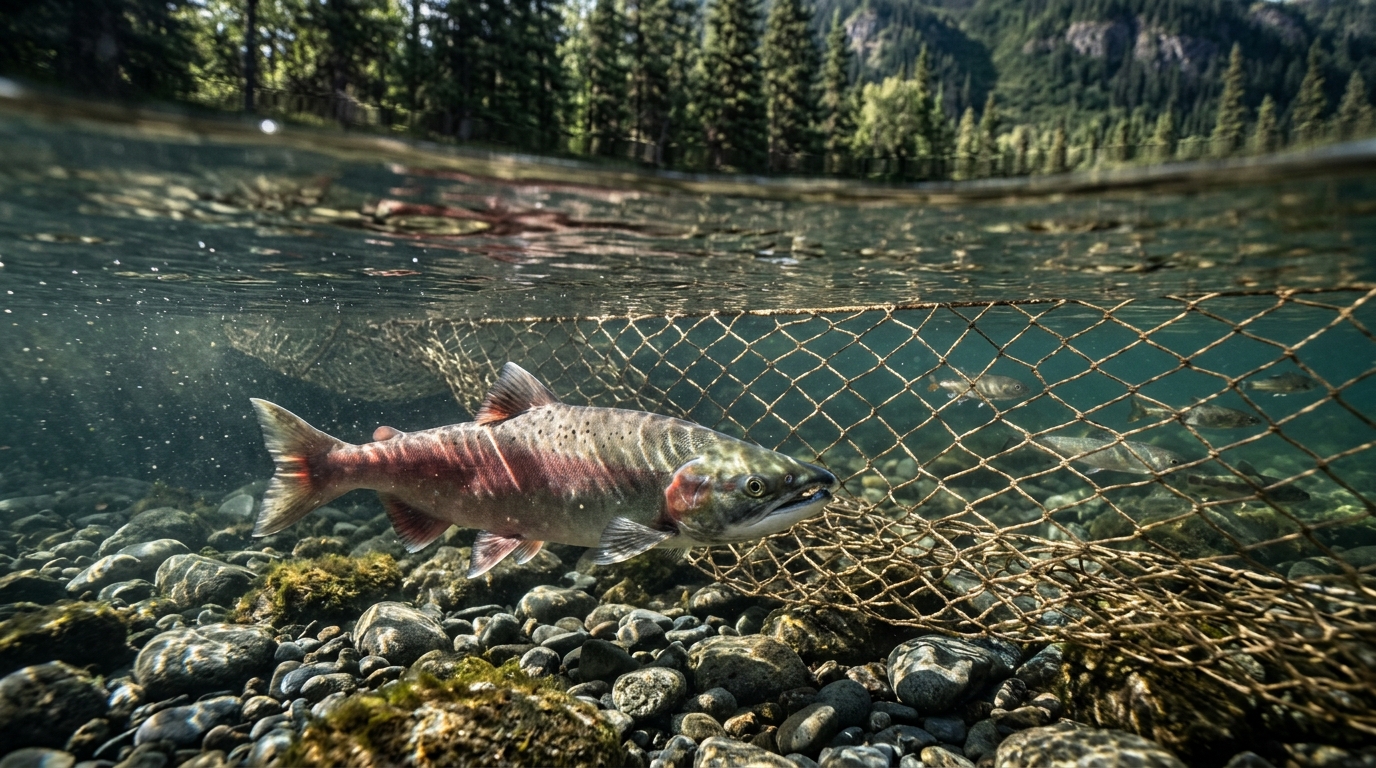
Responsible Alaska fishing starts with recognizing that one fishery can affect another. Salmon bycatch in commercial fisheries can reduce the number of Chinook and other salmon reaching rivers, especially when returns are already weak. Depleted crab stocks add pressure to coastal communities and marine ecosystems, while careful harvest rules help protect spawning populations. You can support this work by following local regulations, keeping only legal fish, and treating every release with care.
Alaska’s rivers, estuaries, and offshore waters are connected, so habitat protection matters from the Nushagak River to the open sea. Warming water is changing food webs, migration routes, and the timing of salmon runs, which can create mismatches between fish and the food they need. Seasonal closures, protected spawning areas, and limits on development near sensitive habitat help reduce added stress. These steps matter to anglers because healthy freshwater habitat supports the salmon you come to Alaska to pursue.
Managers use stock assessments, escapement goals, in season monitoring, and community knowledge to adjust fishing pressure as conditions change. Selective gear, bycatch reduction measures, time and area restrictions, and quick closures can lower impacts on weak stocks while allowing carefully managed harvest where returns are stronger. When you fish with a guide, ask about current rules, changing run timing, and safe release practices. Science based decisions and responsible choices in the boat help protect Alaska’s connected marine and freshwater systems for future seasons.
Indigenous And Community Stewardship
Indigenous knowledge is central to responsible Alaska fishing. For generations, Tribal communities have tracked salmon timing, water conditions, wildlife, and habitat across Bristol Bay. Subsistence users depend on these resources for food, culture, and community, so their observations add important detail to scientific assessments. When you fish here, respect customary practices, local access rules, and areas used for harvesting. A healthy fishery must support conservation and the people whose lives are tied to the river.
Commercial fishermen, sport anglers, local residents, and fishing businesses all help shape Alaska’s resource management. Commercial harvesters contribute firsthand information about runs and changing conditions, while guides and visiting anglers observe river levels, fish behavior, and habitat conditions throughout the season. Local residents and businesses also understand how fishing pressure affects roads, docks, camps, and community services. By listening to these perspectives alongside formal stock assessments and in season management, you gain a clearer view of what responsible fishing requires.
Your choices can support Alaska communities while protecting shared waters. Follow current regulations, give working boats and subsistence users room, and hire reputable operators who respect fish handling rules, local knowledge, and habitat protections. Buy fuel, meals, supplies, and other services locally when you can, and leave rivers and shorelines clean for the next person. Treat every bank, beach, and fishing camp as a shared place, because your care helps protect the fishery and the communities that welcome you.
Responsible Alaska Fishing Conclusion
Responsible Alaska fishing combines excellent angling with conservation, compliance, respect, and local awareness. Alaska fisheries are managed through stock assessments, catch limits, escapement goals, in season closures, and habitat protections. Escapement goals set the number of fish that should reach spawning areas to support future returns. Because runs and conditions can change, check current regulations before every trip and follow all season, gear, and harvest rules.
A qualified guide helps you make sound choices on the water, from identifying species to handling a legal catch. Trust your guide when regulations change, weather shifts, or a conservation concern affects your plan. When release is required, keep the fish in the water when possible, wet your hands, support its body, and limit air exposure. These small steps can improve a fish’s chance of surviving and returning to the river.
Your responsibility also includes respecting local communities, Indigenous knowledge, wildlife, habitat, and other anglers. Pack out line, hooks, food waste, and other gear, and avoid damaging riverbanks and spawning areas. On the Nushagak River and throughout Bristol Bay, careful choices help protect king, sockeye, and coho salmon for future guests and generations. Leave the river healthy, and your Alaska fishing experience will become part of its lasting story.
Protecting Alaska’s Salmon Runs
Responsible Alaska fishing begins with science, clear regulations, and respect for the resource. Fishery managers use stock assessments, catch limits, escapement goals, in season closures, and gear rules to protect fish populations, while habitat protections and enforcement support healthy rivers and coastal waters. As an angler, you play an important role by checking current regulations, following bag and size limits, handling fish carefully, and keeping only what you plan to use. On the Nushagak River, that means listening to your guide and treating every king, sockeye, and coho with care.
Alaska’s system is strong, but it still faces real challenges. Climate change is shifting river conditions and marine food webs, while salmon bycatch, depleted crab stocks, weak Chinook returns, and local economic pressures affect communities and fishing opportunities. Responsible management also depends on the knowledge and participation of Alaska Native communities, subsistence users, commercial fishermen, sport anglers, and local residents. When you fish with care and stay informed, you help protect Alaska’s fisheries for the next season and for generations to come.
Frequently Asked Questions
1. What does responsible Alaska fishing mean on the Nushagak River?
Responsible Alaska fishing means following current regulations, respecting escapement goals, and making choices that support healthy salmon runs. You also handle fish carefully, protect river habitat, and respect the knowledge, traditions, and needs of local and Indigenous communities.
2. Why are escapement goals important for Nushagak River salmon?
An escapement goal is the number of adult salmon that must reach their spawning grounds to support future runs. Managers use stock assessments and in season data to adjust catch limits, fishing methods, and closures when conditions change.
3. How can you follow Alaska fishing regulations during your trip?
Check the current Alaska Department of Fish and Game rules before you fish, then review them with your guide each day. Pay close attention to open areas, legal methods, bag limits, species restrictions, and any in season updates.
4. How should you handle salmon that you plan to release?
Keep the fish in the water whenever possible, wet your hands before touching it, and support its body without squeezing the belly or gills. Use strong tackle, limit the fight time, and release the salmon quickly when regulations or your guide call for it.
5. How can you practice selective harvest on the Nushagak River?
Selective harvest means keeping only the fish you plan to use and releasing other salmon in good condition. Follow the rules for each species, listen to your guide, and avoid taking more fish than you can properly care for and transport.
6. What can you do to protect salmon habitat while fishing?
Keep line, hooks, bait, food, and other waste out of the river and surrounding banks. Stay on established paths, avoid damaging vegetation, and leave spawning areas, gravel beds, and wildlife undisturbed.
7. How do local and Indigenous communities shape responsible fishing?
Local and Indigenous communities bring generations of knowledge about salmon, rivers, seasons, and changing conditions. Fish with respect for subsistence needs, community practices, and shared access, and let your guide help you understand local expectations.
8. How does Fish The Nush support responsible fishing trips?
Our guides stay focused on current regulations, safe fish handling, selective harvest, and the condition of the river. We pair serious salmon fishing for king, sockeye, and coho with comfortable lodge accommodations, private cabins, and clear guidance throughout your stay.
