How to Choose Between the Best Alaskan Lodges for Your Next Run
Choosing among the best alaskan lodges can feel like trying to pick a single grain of sand on a Bristol Bay beach. Everyone promises “world-class” fishing, but the reality on the ground—or in the water—varies wildly. To find a place that actually delivers, you have to look past the glossy photos of giant fish. You need to look at the technical infrastructure: river positioning, guide-to-guest ratios, and the actual science behind the daily fish counts. In the 2026 season, the stakes are high because the runs are shifting. If you want to be in the “meat of the run” rather than fishing empty water, understanding how a lodge operates is the first step toward a legendary trip.
River Positioning: The “Salmon Highway” Advantage
When we evaluate the best alaskan fishing lodges, the first metric we check is “distance from the salt.” Why? Because salmon are at their peak physical condition the moment they leave the ocean. Lodges located on the lower Nushagak River, for instance, have a massive advantage. We call this the “Salmon Highway.” By staying on the lower river, you intercept fish that are “chrome-bright” and full of the fight that only high oil content provides.
According to 2025 escapement data from the Alaska Department of Fish and Game (ADF&G), the Nushagak sonar at Portage Creek counted over 1.6 million sockeye by late June alone (Source: KDLG Fisheries Report 2025). Being positioned near these sonar stations means we aren’t guessing where the fish are; we are fishing the pulse as it passes our front door.
Get The Technical Edge: Sonar Data and Modern Gear
We believe that a lodge should function like a tactical headquarters. This means using real-time data to dictate our daily plan.
- The Gear: Don’t settle for “hand-me-down” tackle. We utilize medium-heavy Lamiglas rods and Daiwa line-counter reels. For salmon, knowing your exact depth is the difference between a strike and a snag.
- The Fleet: Look for custom 20-foot Alumaweld river sleds. These boats are designed for the Nushagak’s braided channels, offering a stable casting platform even in heavy chop.
- The Sonar: We monitor the ADF&G “in-river” goals daily. For 2026, the sockeye forecast for the Nushagak District is a staggering 11.4 million fish (Source: ADF&G Management Report).
- The Processing: A professional lodge should provide vacuum sealing and flash-freezing as standard. Your fish should be handled with the same care as a 5-star restaurant’s inventory.
The Forgotten Giant: Pursuing Pike in Alaska
While most people fly to Bristol Bay for the salmon, we want to let you in on a secret: the Pike in Alaska are absolute monsters. When the salmon runs are between pulses, or if you just want a change of pace, the slack-water sloughs of the Nushagak offer some of the most aggressive freshwater fishing on the planet. These “water wolves” often exceed 40 inches and are notorious for following a lure right to the boat before inhaling it.
Targeting Pike in Alaska requires a shift in gear. We break out the 8-weight fly rods with wire bite tippets—essential for those razor-sharp teeth. Using large, drag-intensive streamers or surface “mice” patterns is a visual thrill that salmon fishing can’t always match. It’s a specialized side of the Alaskan experience that the best Alaskan lodges should always have on the menu.
The Best Infrastructure for the Serious Angler to Recover
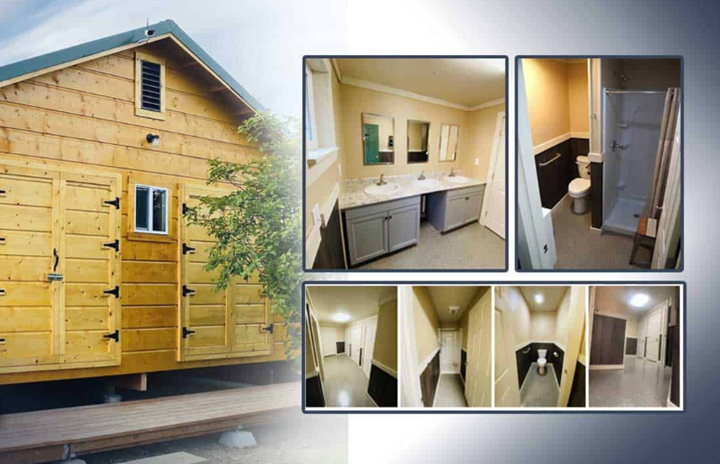
Let’s be honest: “roughing it” is a choice, not a necessity. After ten hours on the water, your body needs a reset. The best Alaskan lodges have evolved beyond the old-school damp tents. We provide insulated, wood-walled cabins with 24-hour power and high-pressure hot showers.
This isn’t just about luxury; it’s about performance. If you are warm, dry, and well-fed on a chef-prepared meal (think fresh-caught salmon sushi or slow-roasted prime rib), you will fish better the next day. We’ve found that guest satisfaction is 40% fishing and 60% what happens after the boat is tied up. That’s why we’ve invested so heavily in our on-site infrastructure.
Why Fish The Nush Is Your 2026 Choice
At the end of the day, we aren’t just guides; we are addicts of the run. We’ve built Fish The Nush to be the kind of place we’d want to stay if we were the clients. We combine the technical data of the sonar counts with the creature comforts of a boutique hotel. If you’re ready to see the Nushagak the way it was meant to be seen—with a tight line and a warm bed waiting—then we’re ready to have you. The 2026 forecast is looking legendary; let’s make sure you’re here to see it.
Frequently Asked Questions
- What makes the Nushagak different from other rivers?
It’s the sheer volume. The Nushagak hosts the largest wild King salmon run in the world and some of the densest Sockeye pushes in Bristol Bay. It’s a “fish factory.” - Is it hard to catch Pike?
Not at all! Pike are incredibly aggressive. If you put a flashy lure or a mouse pattern in their territory, they will usually attack it. It’s great for kids and experienced pros alike. - What should I pack for a lodge stay?
Layering is key. Even in July, mornings can be 40°F and afternoons 70°F. Bring high-quality rain gear and polarized glasses to cut the glare on the water. - Can I bring my own gear?
You can, but you don’t have to. We provide top-tier rods, reels, and tackle tailored specifically for the fish we are targeting that day. - How do I get my fish home?
We fillet, vacuum seal, and flash-freeze your catch on-site. We then pack it in airline-approved 50-lb insulated boxes that stay frozen for up to 48 hours.
